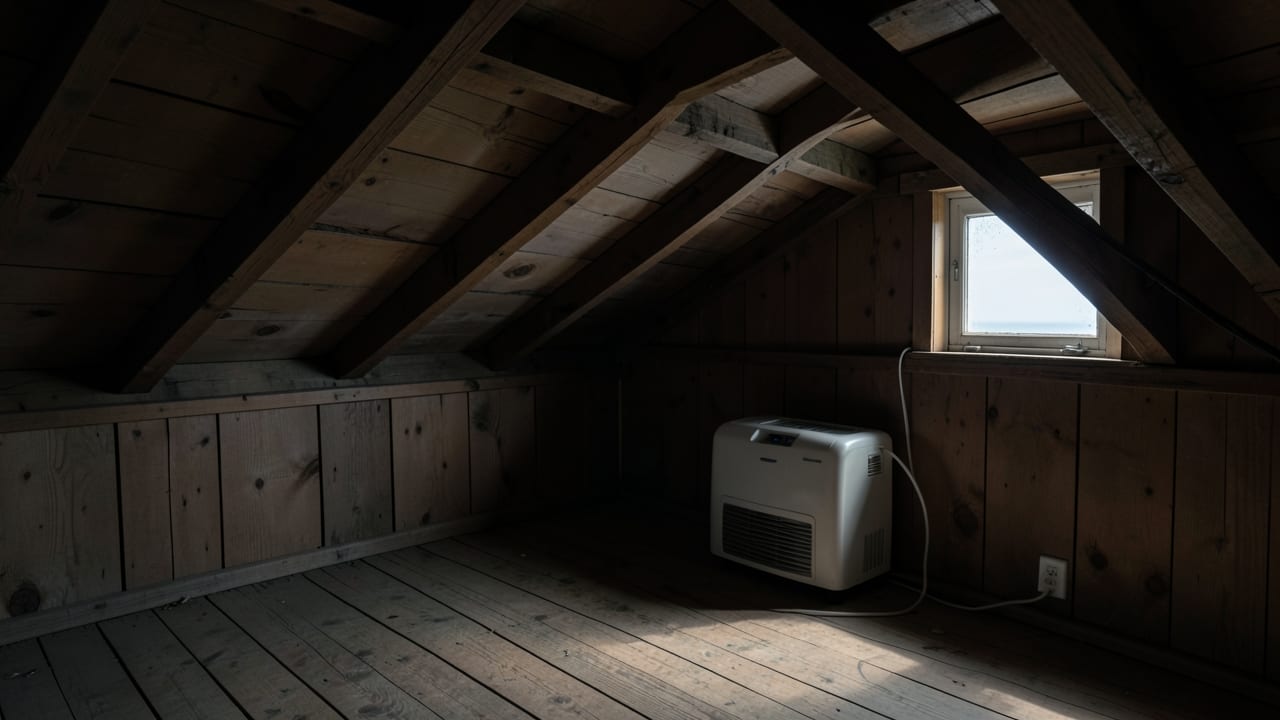
Salt Air Mold Remediation
Professional mold assessment, containment, removal, and prevention in affected areas of the home.
In North Redington Beach’s humid coastal climate, moisture from ocean breezes, rain, and poor ventilation can fuel hidden mold growth behind walls, under flooring, and inside ductwork.
Salt Air Mold Remediation specializes in identifying, containing, and removing fungal contamination safely—using industrial-grade containment, HEPA filtration, and moisture control to help prevent recurrence. Unlike surface cleaning, this process targets deep-seated mold while addressing the root causes that let it take hold in the first place.
We also handle Attic Mold Remediation and Commercial Mold Remediation for North Redington Beach properties.
When mold needs professional help
Not all mold requires full remediation, but certain signs indicate a problem has outgrown DIY fixes. In Florida, mold covering more than 25 contiguous square feet is typically beyond what a homeowner can safely handle, as spores become airborne during removal and spread quickly.
Growth that reappears after cleaning often signals an untreated moisture source—like a leak, condensation, or grading issue—rather than incomplete removal.
Hidden mold is another red flag. Musty odors with no visible source, or smells that worsen when the HVAC runs, suggest contamination inside walls, under flooring, or within ductwork. These areas require containment to prevent spores from drifting into unaffected spaces during cleanup.
Florida law also prohibits the same company from assessing *and* remediating the same property within 12 months, ensuring unbiased evaluation before work begins.
Signs Professional Remediation Is Needed
- Mold covers more than 25 square feet in one area (Florida’s threshold for contractor-level work).
- Visible growth keeps returning after cleaning, even in the same spot.
- Musty odors persist with no visible mold, or worsen when HVAC turns on (ductwork contamination).
- Water stains, warping, or peeling paint suggest hidden moisture feeding mold behind surfaces.
- You’ve already tried bleach or surface cleaners, but the problem spread or worsened.
What affects cost and timeline
Pricing for salt air mold remediation in North Redington Beach typically ranges from $10 to $25 per square foot of treated area, with black mold cases running 15–25% higher for the same space.
This range reflects labor, containment, HEPA filtration, structural drying, and clearance testing—but actual costs depend on hidden factors like moisture source location, material removal needs, and whether walls or flooring must be opened.
Timelines vary by scope. Containment alone can take hours to set up properly, while removing porous materials (drywall, insulation) adds days. Structural drying with industrial dehumidifiers may extend the job by 24–72 hours to ensure moisture levels return to normal before containment comes down.
Clearance testing, done by an independent lab, adds another 1–3 days to confirm spore counts are back to baseline.
Avoiding common mistakes after remediation
Removing mold without fixing the moisture source is the fastest way to see it return. Even after cleanup, rooms prone to dampness—like windowless bathrooms or closets—benefit from a small fan or dehumidifier to prevent stagnant air from encouraging regrowth.
Outside, grading that slopes toward your foundation or downspouts dumping near the house can reintroduce the same conditions that caused the original problem.
Skipping HEPA filtration during removal or using standard shop vacuums recirculates spores back into the air, turning a contained job into a widespread one. Similarly, tearing containment plastic or leaving doors open during work lets spores drift into unaffected areas.
Always verify that clearance testing—an independent air or surface sample—confirms the space is clear before containment is removed.
Moisture sources left unfixed (leaks, condensation, poor grading) will lead to regrowth within months. HEPA filtration is non-negotiable—standard vacuums and air scrubbers *do not* capture mold spores, only recirculate them. Always insist on containment integrity and third-party clearance testing to document the work’s effectiveness.
How salt air mold remediation works
This process prioritizes containment, removal, and moisture control to address fungal growth safely.
- 1Containment Setup
Plastic sheeting and negative-air machines seal the work area to trap spores. Doors and vents are blocked, and HEPA air scrubbers run continuously to prevent cross-contamination into unaffected spaces.
- 2Material Removal or Treatment
Porous materials (drywall, insulation) absorbing mold are cut out and double-bagged inside containment. Non-porous surfaces (framing, tile) are scrubbed with antimicrobial treatments and allowed to dry.
- 3Structural Drying
Industrial dehumidifiers and air movers lower moisture levels in framing and subfloors to prevent regrowth. Readings must reach normal humidity before containment is removed.
- 4HEPA Cleanup and Testing
Surfaces are vacuumed with HEPA equipment, and an independent lab conducts clearance testing to verify spore counts are within safe ranges before the area is released.
- 5Moisture Source Repair
The root cause (leaks, condensation, grading) is addressed to reduce the risk of recurrence. Post-remediation monitoring with a hygrometer in high-risk rooms helps catch early signs of dampness.
Frequently asked questions
Can I clean small mold patches myself, or should I call a professional?
For areas under 25 square feet, surface cleaning with detergent and water (no bleach) may suffice if the mold isn’t black or recurring. However, if you notice musty odors, hidden water stains, or growth returning after cleaning, professional remediation is safer to prevent hidden contamination.
Why does containment matter so much during mold removal?
Without containment, disturbing mold releases spores into the air, which can spread to other rooms via HVAC systems or airflow. Plastic sheeting and negative air pressure keep spores confined to the work area, where HEPA filtration captures them instead of recirculating them.
How do I know if my musty smell is from mold in the walls or just dampness?
A smell that worsens when the HVAC runs or lingers in specific rooms—especially those with poor ventilation—often indicates hidden mold. Visible water stains, warping, or peeling paint also suggest trapped moisture feeding fungal growth behind surfaces.
What’s the difference between remediation and just ‘cleaning’ mold?
Cleaning targets visible mold on surfaces, while remediation addresses deep-seated contamination, hidden growth, and moisture sources. Remediation includes containment, HEPA filtration, material removal (when needed), and clearance testing to ensure spores are eliminated—not just wiped away.
Where North Redington Beach sits, and what the Census lists nearby
North Redington Beach sits in Florida, and the closest places listed in the U.S. Census Gazetteer are Redington Beach (1 miles southeast), Redington Shores (1 miles northwest), Madeira Beach (2.6 miles southeast), Indian Shores (2.7 miles northwest).
Within 25 miles of North Redington Beach the same source lists 44 distinct incorporated places and census-designated places.
Those figures matter for salt air mold remediation because they are straight-line distances between Census coordinate points: road mileage between North Redington Beach and Redington Beach runs longer than the 1 miles shown, which is why quotes for the same job differ between towns that look close together on a map.
Source: U.S. Census Bureau Gazetteer.
See South Highpoint, FL for more, or take a look at how our North Redington Beach crew can help across the area for our complete lineup.
Ready to get started?
Talk to a local mold remediation pro in North Redington Beach — get a written quote.
Other Mold Remediation Services in North Redington Beach
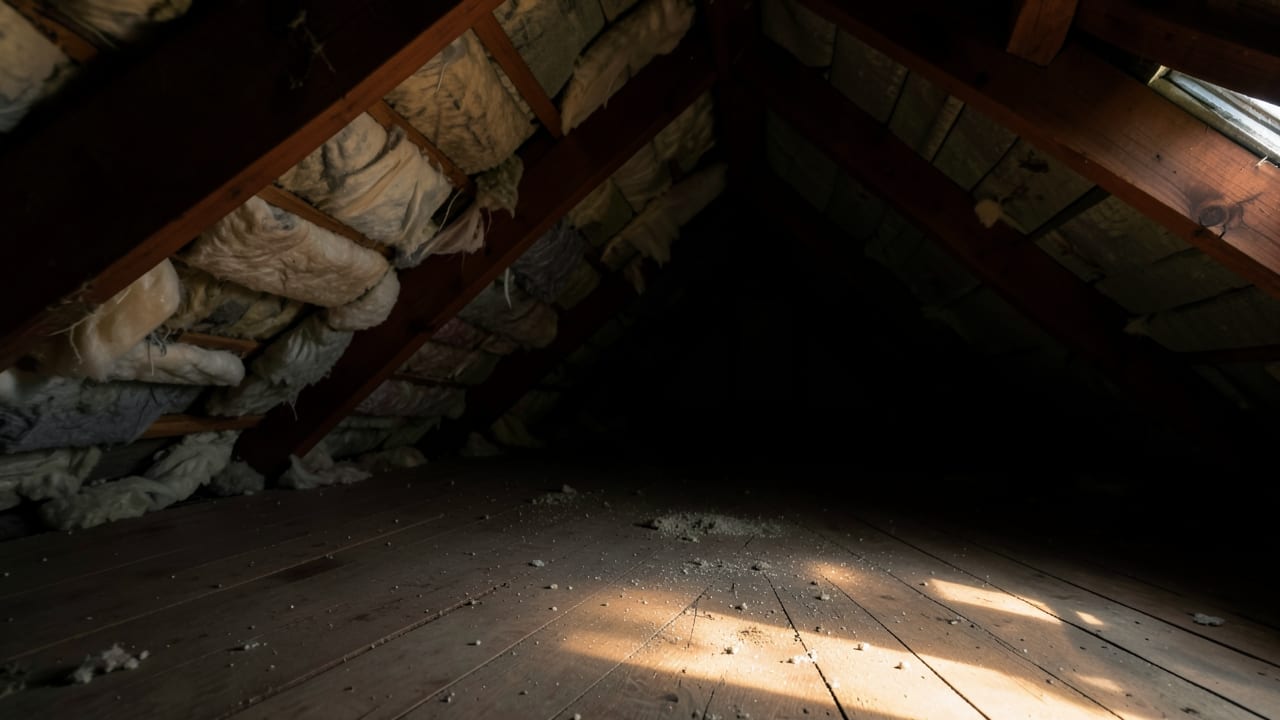
Attic Mold Remediation in North Redington Beach, FL
Attic mold remediation in North Redington Beach, FL addresses roof-deck growth typically caused by poor ventilation or a hidden roof leak.
Learn More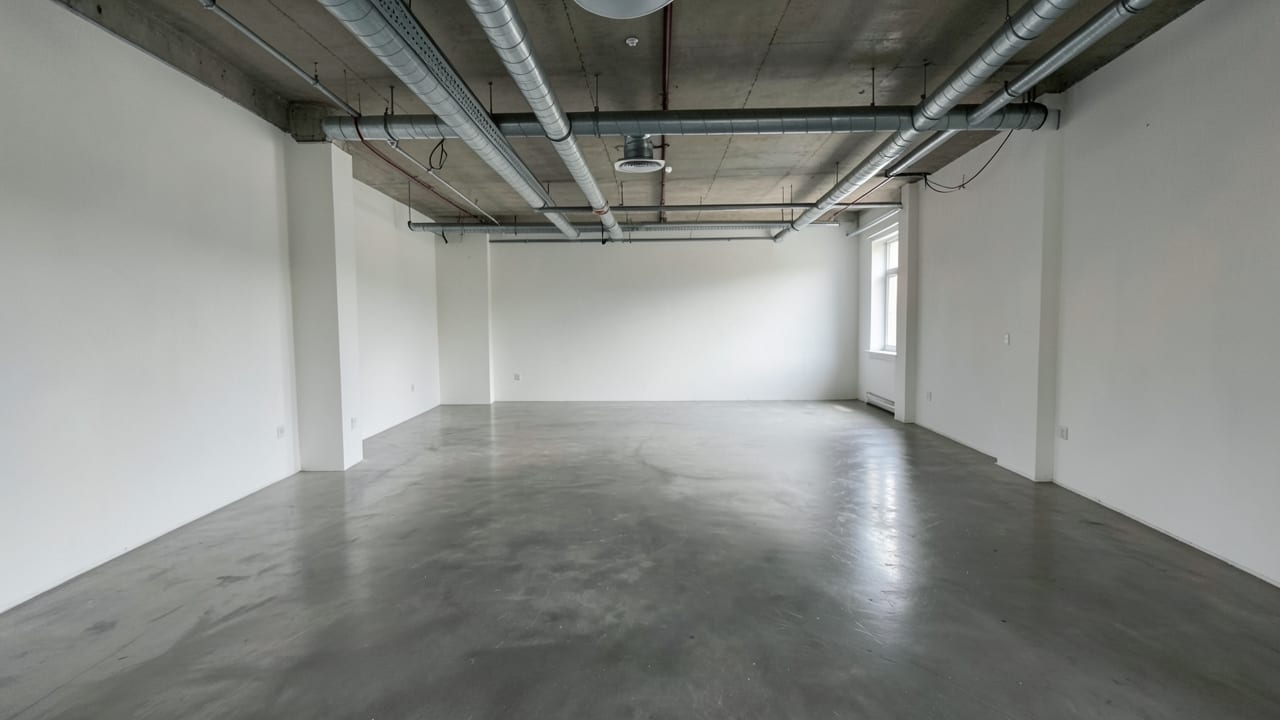
Commercial Mold Remediation in North Redington Beach, FL
Commercial mold inspection and remediation in North Redington Beach, FL for offices, retail space, and multi-unit properties, scheduled around business operations.
Learn More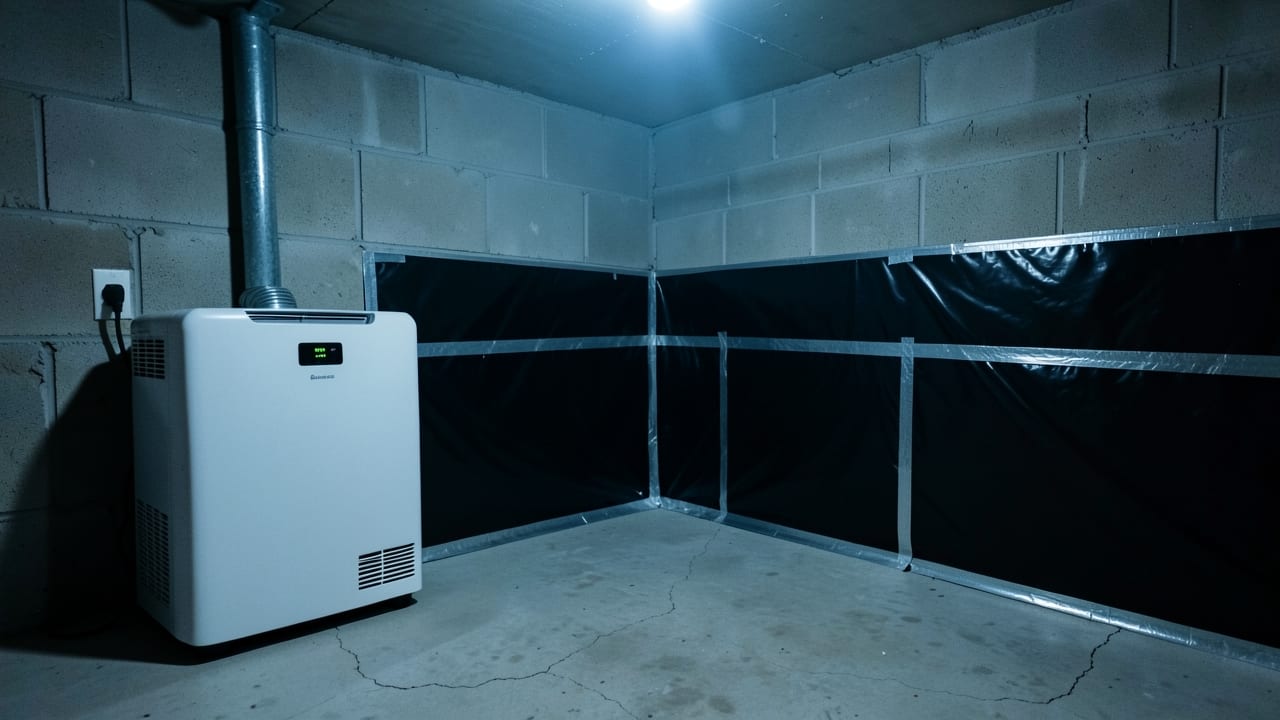
Mold Prevention & Moisture Control in North Redington Beach, FL
Mold prevention and moisture control in North Redington Beach, FL — addressing ventilation, humidity, and drainage before growth starts, not after.
Learn More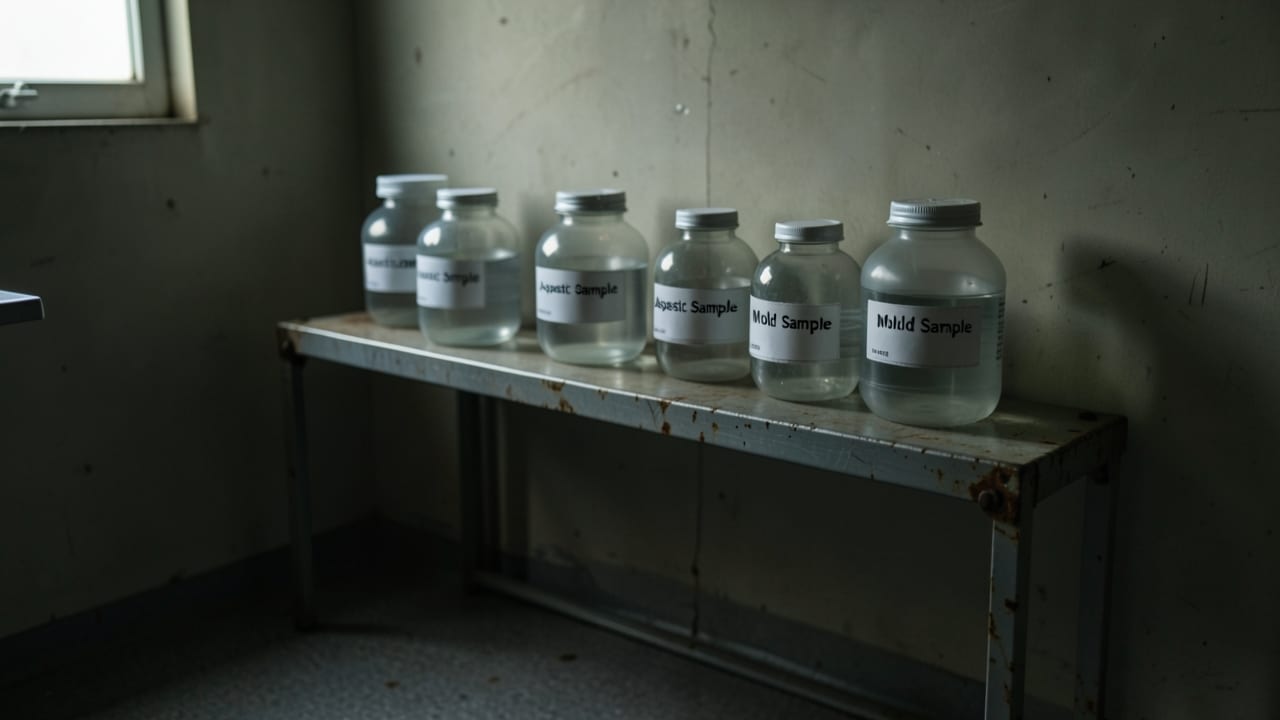
Mold & Asbestos Testing in North Redington Beach, FL
Combined mold and asbestos testing in North Redington Beach, FL — one inspection visit, lab-verified results for both.
Learn More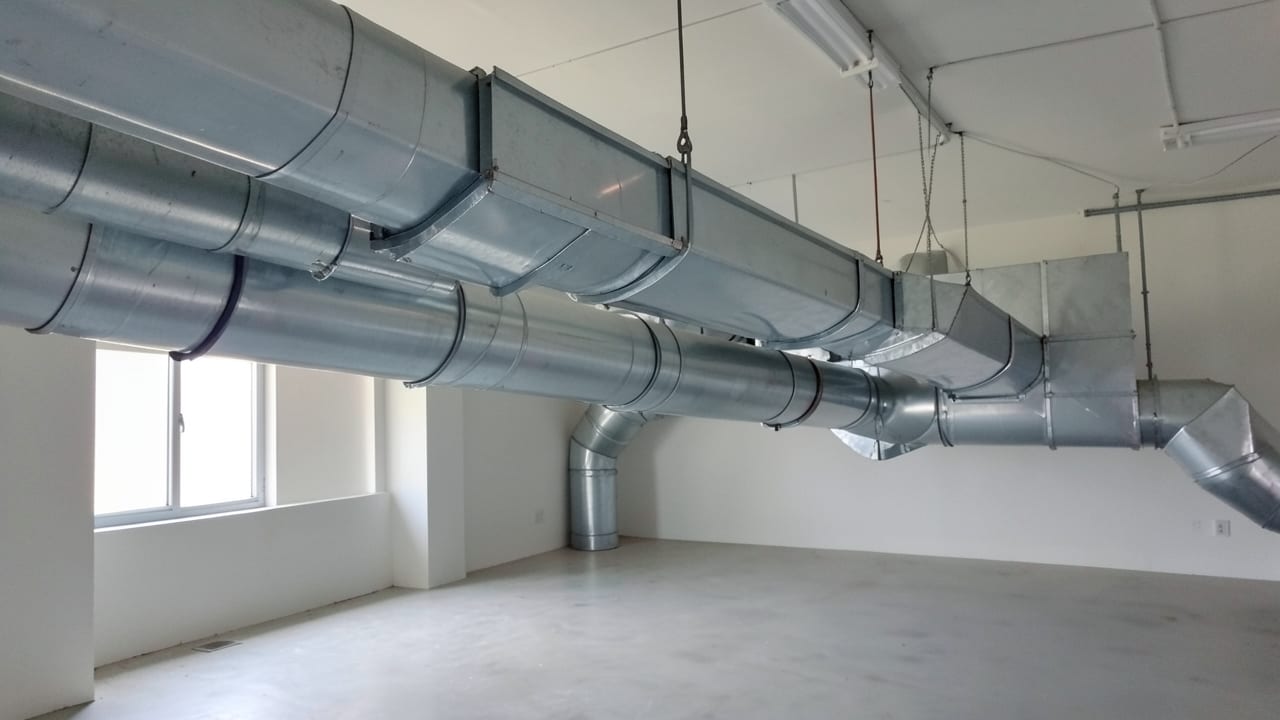
HVAC Mold Remediation in North Redington Beach, FL
HVAC and ductwork mold remediation in North Redington Beach, FL — mold growing inside the air handler or duct system, spreading through every vent.
Learn More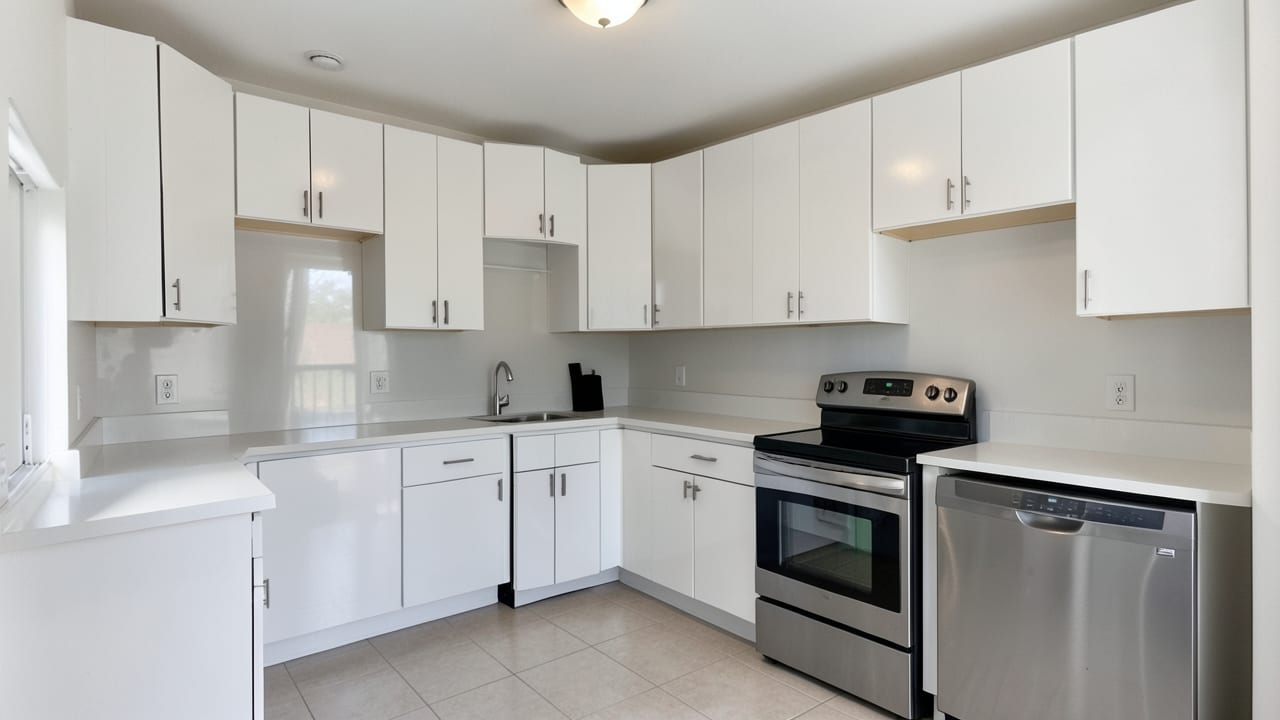
Kitchen Mold Cleanup in North Redington Beach, FL
Professional assessment and removal of mold in kitchen areas to restore a safe, clean environment.
Learn MoreCommon Questions About Mold Remediation in North Redington Beach
Everything you need to know about mold remediation services in North Redington Beach
How much does Salt Air Mold Remediation typically cost in North Redington Beach, FL?
Why does North Redington Beach, FL's humidity make mold a bigger risk than in drier regions?
How long does a typical mold remediation job take?
Is it safe to stay in the home during mold remediation?
Can small mold problems be handled without hiring anyone?
What's the actual difference between mold removal and mold remediation?
Need Mold Remediation in North Redington Beach?
Connect with local providers in North Redington Beach for a detailed quote.
⏰ We answer your call • Serving all of North Redington Beach and surrounding areas