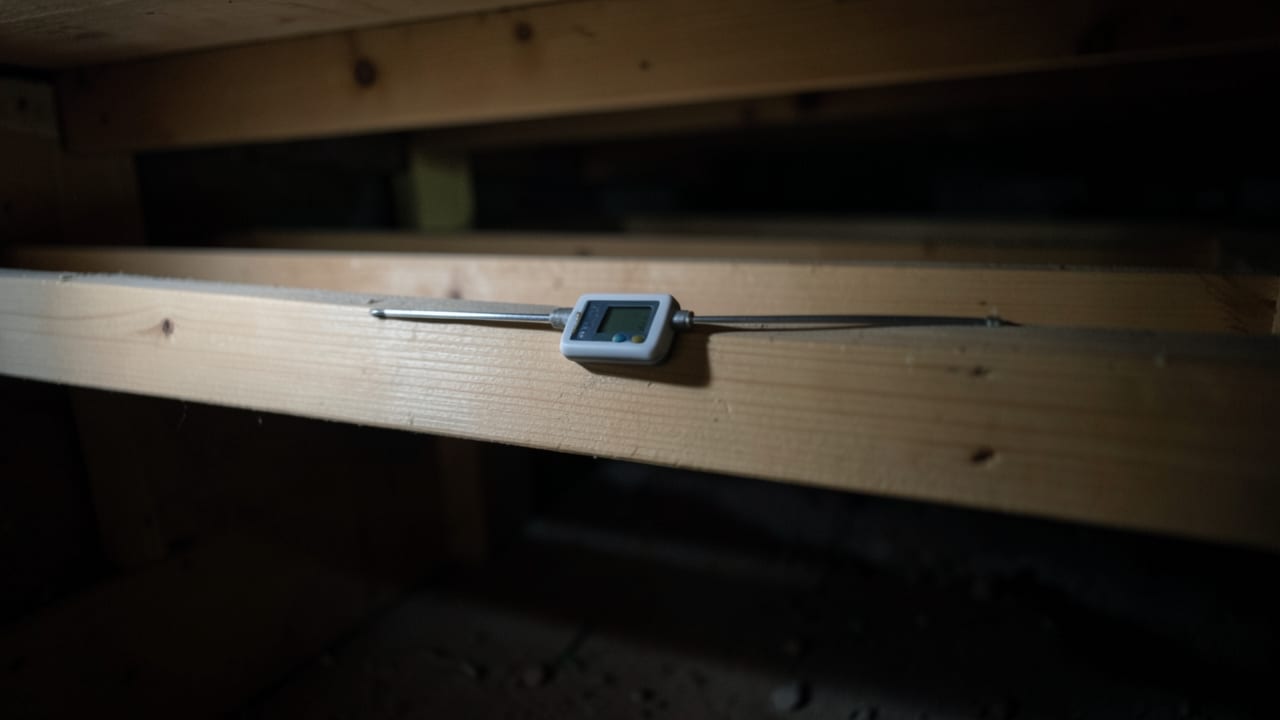
Spring Mold Inspection
Professional assessment and identification of mold growth in homes.
Spring in North Redington Beach brings higher humidity and rain, creating ideal conditions for mold growth in homes. A professional mold inspection identifies hidden contamination, traces moisture sources, and provides a detailed report to guide remediation—helping homeowners address issues before they worsen or recur.
This service focuses on thorough assessment, not just surface checks, to ensure accuracy and compliance with Florida regulations.
We also handle Crawl Space & Basement Mold Remediation and Attic Mold Remediation for North Redington Beach properties.
When to request a spring mold inspection
Mold often hides until it’s already spread, but certain signs indicate it’s time for an inspection. Musty odors in closets, basements, or bathrooms—especially those that linger after airing out—are a common red flag.
Visible mold growth, discoloration on walls or ceilings, or unexplained health symptoms (like sneezing or itchy eyes) that improve when leaving a room are also clear warnings.
Past water damage, even if it seemed minor, can lead to hidden mold. For example, a leak under a sink or a roof leak that was only surface-dried may have left moisture trapped in walls or subfloors.
A professional inspection uses tools like moisture meters and thermal imaging to detect these issues before they become larger problems.
Signs It’s Time for an Inspection
- A persistent musty or earthy smell in a specific area that doesn’t fade with ventilation
- Visible mold growth (black, green, brown, or dark speckles) on drywall, grout, window frames, or under carpets
- Unexplained health symptoms that ease when avoiding a particular room in the home
- Evidence of past water damage (stains, warping, or peeling paint) that was not professionally assessed
- Condensation or dampness in basements, crawl spaces, or attics, especially after rain
What to expect during the inspection
A mold inspection goes beyond a visual check—it combines targeted testing with moisture source identification. After a thorough walkthrough, inspectors use moisture meters and thermal imaging to pinpoint hidden dampness in walls, floors, or ceilings.
Air and surface samples are collected from affected areas and a control room to compare spore levels against a baseline.
The process includes tracing moisture back to its origin, whether it’s a roof leak, plumbing issue, poor grading, or high indoor humidity. Without addressing the source, mold is likely to return.
Results are sent to an independent lab for analysis, typically taking 2–5 business days, and findings are documented in a written scope report for remediation planning.
Avoiding common mistakes
DIY mold tests or partial inspections often miss hidden moisture sources, leading to incomplete remediation. Cross-contamination during sampling—such as using the same tools in multiple rooms without proper cleaning—can skew lab results.
Florida law also prohibits the same company from performing both assessment and remediation on the same property within a year, ensuring unbiased findings.
Homeowners should also avoid assuming a low-priced inspection is thorough. A proper assessment includes visual inspection, moisture mapping, air/surface sampling, lab analysis, and a written report. Skipping any step may leave critical issues undetected.
Beware of quotes that exclude containment, clearance testing, or a detailed scope of work. Verbal-only pricing, pressure to sign during the inspection, or bids significantly lower than others may indicate shortcuts that cost more later.
How spring mold inspection works
A professional inspection follows a structured process to identify mold and its causes.
- 1Visual and Moisture Assessment
The inspector examines every accessible area of the home, looking for visible mold, stains, or musty odors. Moisture meters and thermal imaging pinpoint hidden dampness in walls, subfloors, and ceilings, even where no signs are visible.
- 2Air and Surface Sampling
Samples are collected from affected areas and a control room (an unaffected space) using spore traps and surface swabs. These are sent to an independent lab for species identification and spore concentration analysis, typically taking 2–5 business days.
- 3Moisture Source Diagnosis
The inspector traces moisture back to its origin—whether it’s a roof leak, plumbing issue, poor ventilation, or high humidity. This step is critical, as addressing the source prevents mold from returning.
- 4Written Scope Report
Findings are documented in a detailed report, including affected materials, moisture sources, and square footage. This report is used by remediation contractors to plan the work and, in Florida, is required by law before remediation begins.
Frequently asked questions
Can I tell if I have mold just by smelling it?
A musty or earthy smell often signals mold, but it doesn’t confirm the presence or type. Visible growth or health symptoms warrant a professional inspection, as mold can hide in walls, ducts, or crawl spaces. Some species are also odorless, so testing is the only way to be certain.
Will the inspection tell me exactly what kind of mold I have?
Yes, lab analysis identifies the species and spore concentration. However, the type alone doesn’t determine remediation needs—moisture sources and affected materials are equally important. Florida law requires lab testing for accurate results, not in-house methods.
How long does it take to get results after sampling?
Lab turnaround is typically 2–5 business days, depending on the facility. The inspector provides a preliminary assessment during the walkthrough but cannot give final results until lab analysis is complete.
Do I need to be home during the inspection?
No, but access to all areas of concern—including basements, attics, and crawl spaces—is required. The inspector will need to move furniture or open walls if necessary to assess hidden moisture or growth.
Where North Redington Beach sits, and what the Census lists nearby
North Redington Beach sits in Florida, and the closest places listed in the U.S. Census Gazetteer are Redington Beach (1 miles southeast), Redington Shores (1 miles northwest), Madeira Beach (2.6 miles southeast), Indian Shores (2.7 miles northwest).
Within 25 miles of North Redington Beach the same source lists 44 distinct incorporated places and census-designated places.
Those figures matter for spring mold inspection because they are straight-line distances between Census coordinate points: road mileage between North Redington Beach and Redington Beach runs longer than the 1 miles shown, which is why quotes for the same job differ between towns that look close together on a map.
Source: U.S. Census Bureau Gazetteer.
See Indian Rocks Beach, FL for more, or take a look at every option available in North Redington Beach by service type for our complete lineup.
Ready to get started?
Talk to a local mold remediation pro in North Redington Beach — get a written quote.
Other Mold Remediation Services in North Redington Beach
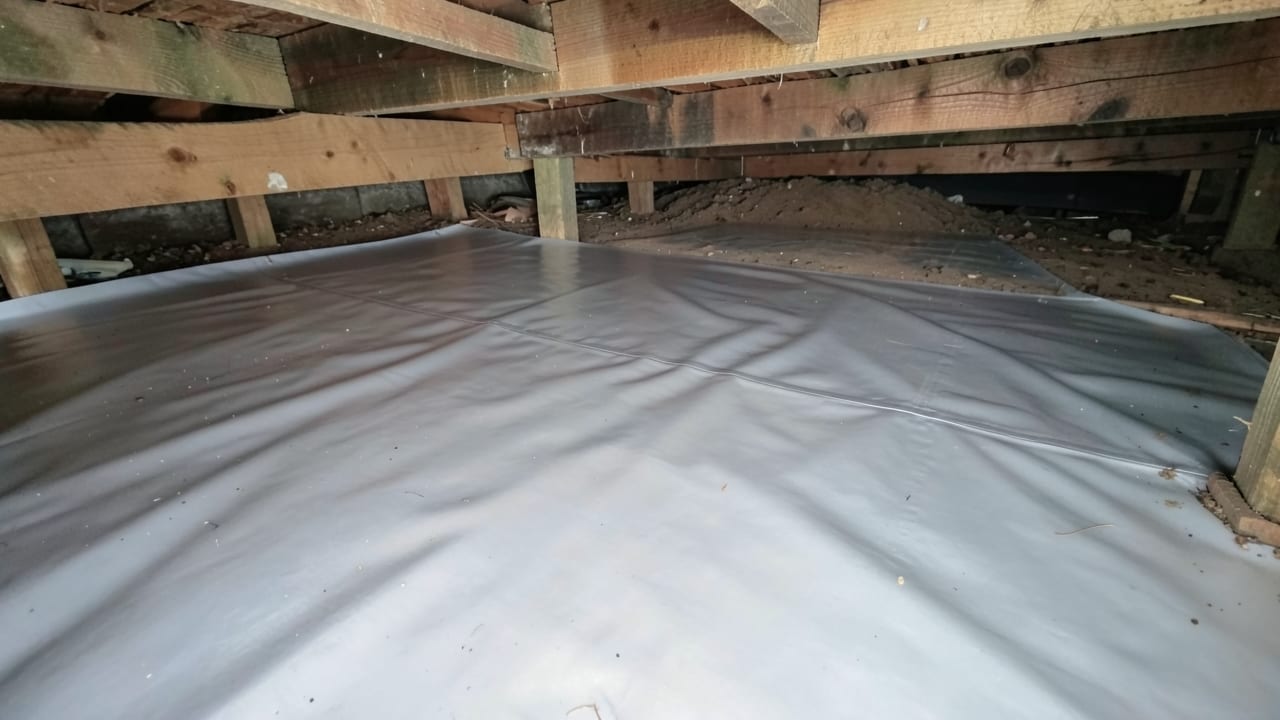
Crawl Space & Basement Mold Remediation in North Redington Beach, FL
Crawl space and basement mold remediation in North Redington Beach, FL addresses the two areas of a property most prone to trapped, unnoticed moisture.
Learn More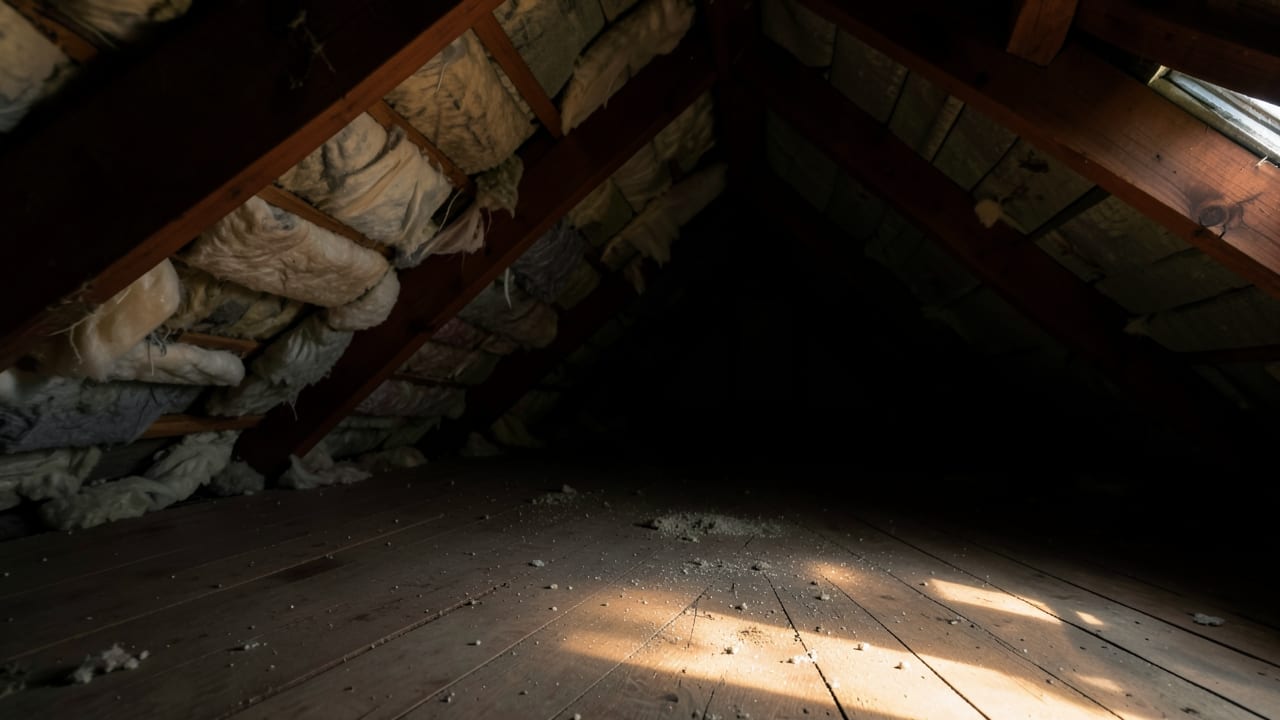
Attic Mold Remediation in North Redington Beach, FL
Attic mold remediation in North Redington Beach, FL addresses roof-deck growth typically caused by poor ventilation or a hidden roof leak.
Learn More
Commercial Mold Remediation in North Redington Beach, FL
Commercial mold inspection and remediation in North Redington Beach, FL for offices, retail space, and multi-unit properties, scheduled around business operations.
Learn More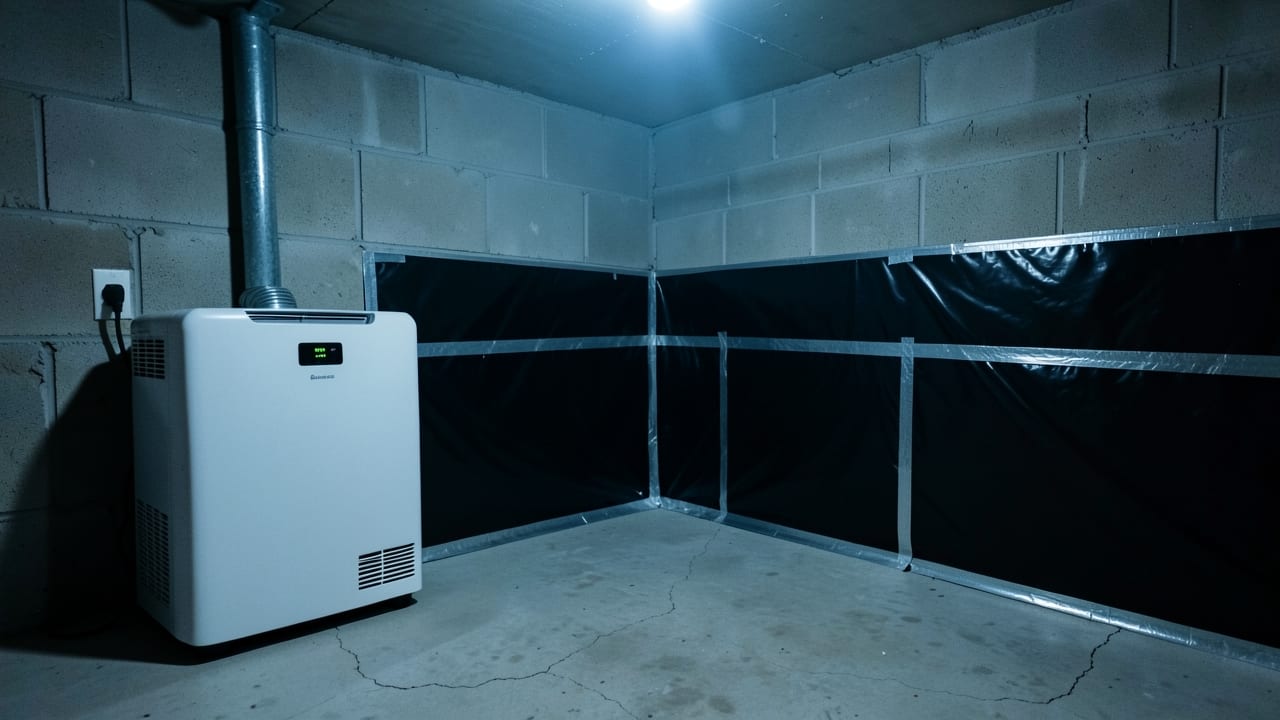
Mold Prevention & Moisture Control in North Redington Beach, FL
Mold prevention and moisture control in North Redington Beach, FL — addressing ventilation, humidity, and drainage before growth starts, not after.
Learn More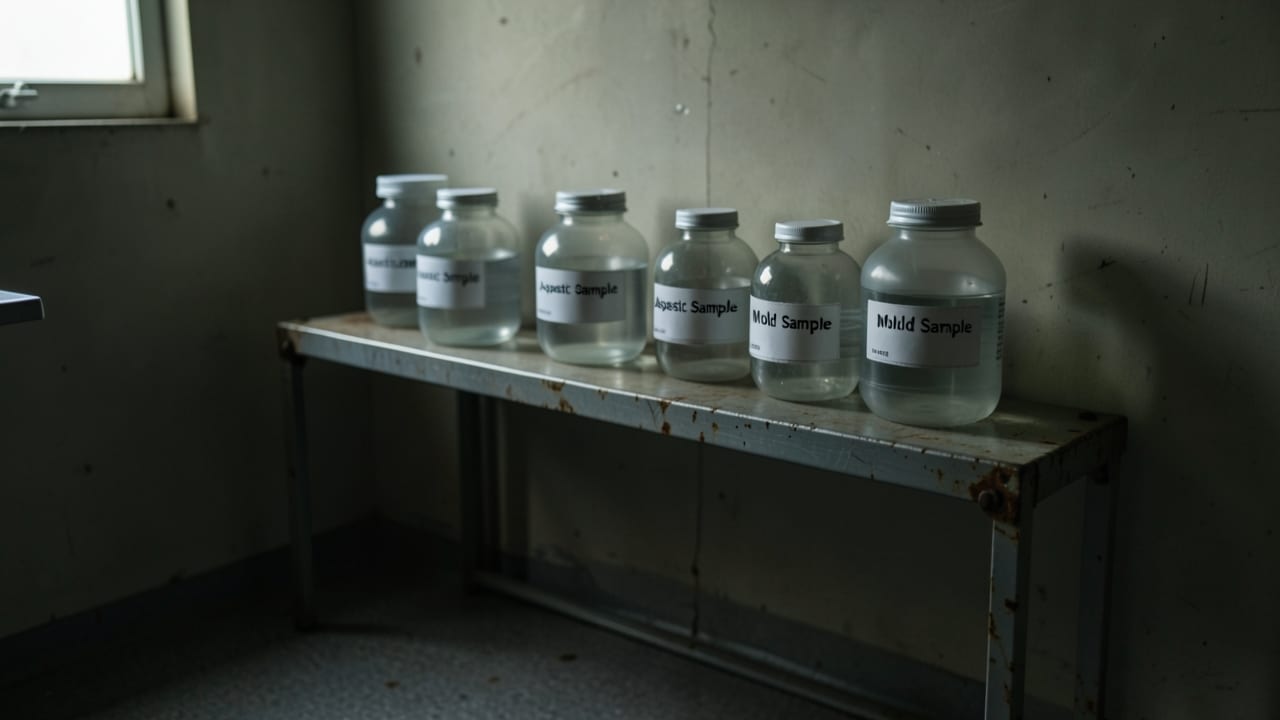
Mold & Asbestos Testing in North Redington Beach, FL
Combined mold and asbestos testing in North Redington Beach, FL — one inspection visit, lab-verified results for both.
Learn More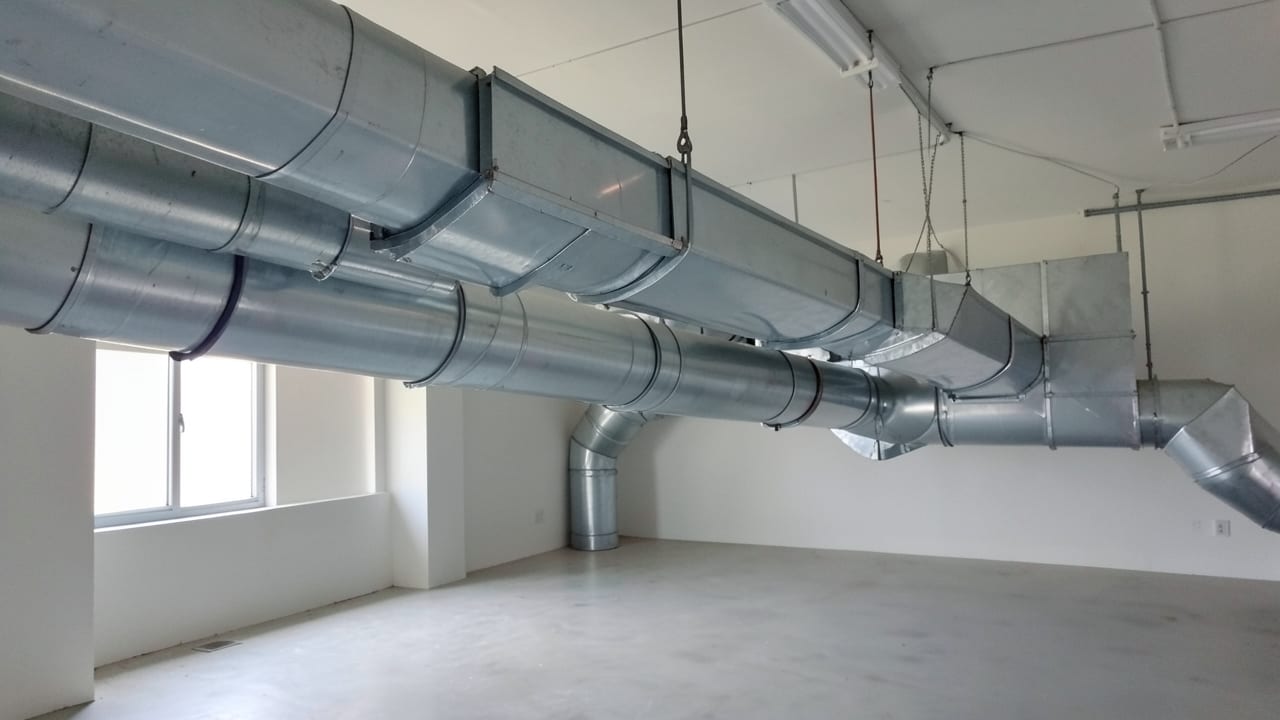
HVAC Mold Remediation in North Redington Beach, FL
HVAC and ductwork mold remediation in North Redington Beach, FL — mold growing inside the air handler or duct system, spreading through every vent.
Learn MoreCommon Questions About Mold Remediation in North Redington Beach
Everything you need to know about mold remediation services in North Redington Beach
How much does Spring Mold Inspection typically cost in North Redington Beach, FL?
Why does North Redington Beach, FL's humidity make mold a bigger risk than in drier regions?
Does mold mean the same thing as mildew?
Does homeowners insurance typically cover mold remediation?
Is black mold actually more dangerous than other mold types?
How long does a typical mold remediation job take?
Need Mold Remediation in North Redington Beach?
Connect with local providers in North Redington Beach for a detailed quote.
⏰ We answer your call • Serving all of North Redington Beach and surrounding areas