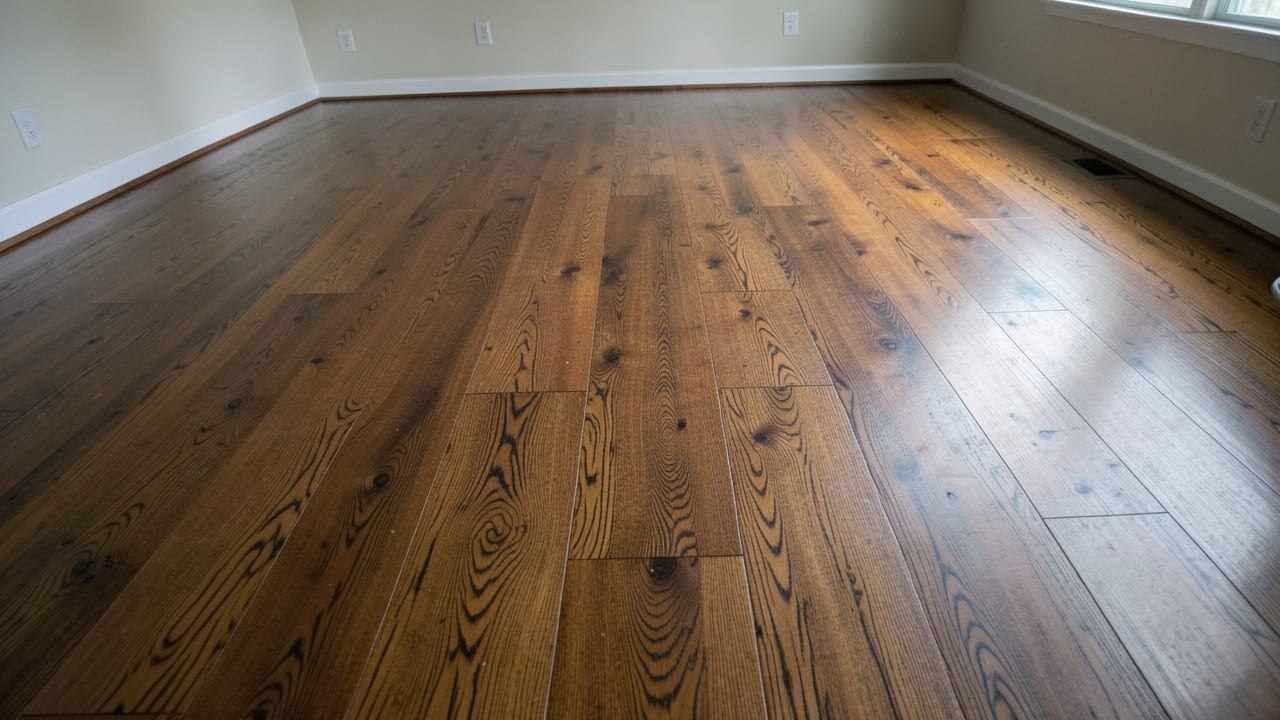
Flood Damage Mold Remediation
Professional mold removal and remediation after flood damage in homes.
After flood damage in North Redington Beach, hidden mold can spread quickly in walls, under floors, and in basements. Proper remediation involves containment, removal of contaminated materials, HEPA filtration, structural drying, and clearance testing to limit spore spread and prevent regrowth.
Florida law requires licensed assessors and remediators to work separately on the same property within a year, ensuring unbiased evaluation and treatment.
We also handle Brick Masonry Mold Treatment and Stairwell Mold Remediation for North Redington Beach properties.
When flood damage mold needs professional help
Mold growth after a flood often goes beyond surface cleaning. If mold covers more than a small patch—especially over 25 square feet—or keeps returning after cleaning, professional remediation is needed.
Hidden growth, like behind walls or in ductwork, may only be detected by musty odors or recurring issues in damp rooms.
DIY cleaning may temporarily reduce visible mold, but it rarely removes spores embedded in porous materials like drywall or carpet padding. Without proper containment and HEPA filtration, spores can spread to unaffected areas, worsening the problem.
Florida law also prohibits the same company from assessing and remediating the same property within 12 months, ensuring unbiased work.
Signs You Need Mold Remediation
- Mold covers more than 25 square feet or keeps returning after cleaning
- Musty smells persist with no visible mold in the room
- HVAC system odor worsens when running, suggesting duct contamination
- Damp rooms (closets, basements, windowless bathrooms) stay humid despite ventilation
- Health symptoms (sneezing, coughing, skin irritation) appear after exposure
How remediation costs are determined
Pricing depends on the area treated, type of mold, and complexity of the job. Flood damage often requires deeper remediation because water penetrates structural materials, increasing labor and material costs. Confirming whether the estimate includes inspection, containment, clearance testing, and moisture source fixes is critical—these steps are often billed separately.
Black mold cases typically cost 15–25% more for the same square footage due to stricter containment and disposal protocols. Always request a written scope of work before starting to avoid unexpected charges for hidden mold or additional labor.
What happens if remediation isn’t done right?
Skipping containment or using non-HEPA equipment can spread spores to unaffected areas, turning a small job into a larger one. Without fixing the moisture source—like a leak or poor grading—mold regrows within months.
Florida’s law requiring separate assessors and remediators helps prevent conflicts of interest, but homeowners should still verify licensing directly with the Department of Business and Professional Regulation (DBPR).
Post-remediation clearance testing confirms the work was effective. Without it, there’s no way to know if spores remain. Always check for independent lab testing in the quote to ensure the job meets Florida’s standards.
| Risk | Why It Matters | How to Avoid It |
|---|---|---|
| Containment breach | Spores spread to clean areas, increasing job size | Verify plastic sheeting and negative air machines are installed before work starts |
| Non-HEPA filtration | Recirculates spores instead of capturing them | Confirm HEPA air scrubbers and vacuums are used |
| Moisture source left unfixed | Mold regrows in the same spot | Ask for a written plan to address leaks, grading, or humidity issues |
| No clearance testing | No proof the job was effective | Request third-party lab testing in the quote |
How flood damage mold remediation works
Remediation follows a structured process to safely remove mold and prevent regrowth.
- 1Containment Setup
Plastic sheeting and negative-air machines seal the work area to trap spores. Doors and vents are blocked to prevent spread to other rooms.
- 2Material Removal or Cleaning
Porous materials (drywall, carpet padding) with deep mold growth are cut out and bagged. Non-porous surfaces (tile, framing) are scrubbed and treated.
- 3HEPA Filtration and Cleanup
HEPA air scrubbers run continuously, and surfaces are vacuumed with HEPA filters to capture spores. Standard shop vacuums are avoided because they release spores back into the air.
- 4Structural Drying
Industrial dehumidifiers and air movers dry framing and subfloors to normal moisture levels, as mold regrows on damp materials even after removal.
- 5Clearance Testing
An independent lab tests air or surfaces post-remediation to confirm spore counts are within normal ranges before containment is removed.
Frequently asked questions
Can I clean mold myself after a flood, or do I need a professional?
Small patches (under 25 sq ft) can be cleaned with bleach or mold-killing products, but hidden growth or porous materials require professional removal. Professionals also handle containment and HEPA filtration to prevent spore spread, which DIY methods often miss.
Why does my musty smell keep coming back after cleaning?
Musty odors often indicate hidden mold in walls, under flooring, or in ductwork. Without addressing the moisture source (like a leak or poor ventilation) or using professional containment, spores regrow quickly. Clearance testing can confirm whether the smell is from lingering spores or trapped moisture.
Do I need to fix the moisture problem before remediation?
Yes. Remediation removes existing mold, but without fixing leaks, grading issues, or humidity problems, the same materials will re-contaminate. Ask your remediator for a plan to address the moisture source—it’s often included in the scope of work.
How do I know if a company is properly licensed for mold work in Florida?
Check the Florida Department of Business and Professional Regulation (DBPR) database directly to verify the company holds a mold remediator license (not just an assessor). Florida law prohibits the same company from assessing and remediating the same property within 12 months, so confirm they’re not also the assessor.
Where North Redington Beach sits, and what the Census lists nearby
North Redington Beach sits in Florida, and the closest places listed in the U.S. Census Gazetteer are Redington Beach (1 miles southeast), Redington Shores (1 miles northwest), Madeira Beach (2.6 miles southeast), Indian Shores (2.7 miles northwest).
Within 25 miles of North Redington Beach the same source lists 44 distinct incorporated places and census-designated places.
Those figures matter for flood damage mold remediation because they are straight-line distances between Census coordinate points: road mileage between North Redington Beach and Redington Beach runs longer than the 1 miles shown, which is why quotes for the same job differ between towns that look close together on a map.
Source: U.S. Census Bureau Gazetteer.
See Lealman, FL for more, or explore what we cover for North Redington Beach properties by category for our complete lineup.
Ready to get started?
Talk to a local mold remediation pro in North Redington Beach — get a written quote.
Other Mold Remediation Services in North Redington Beach
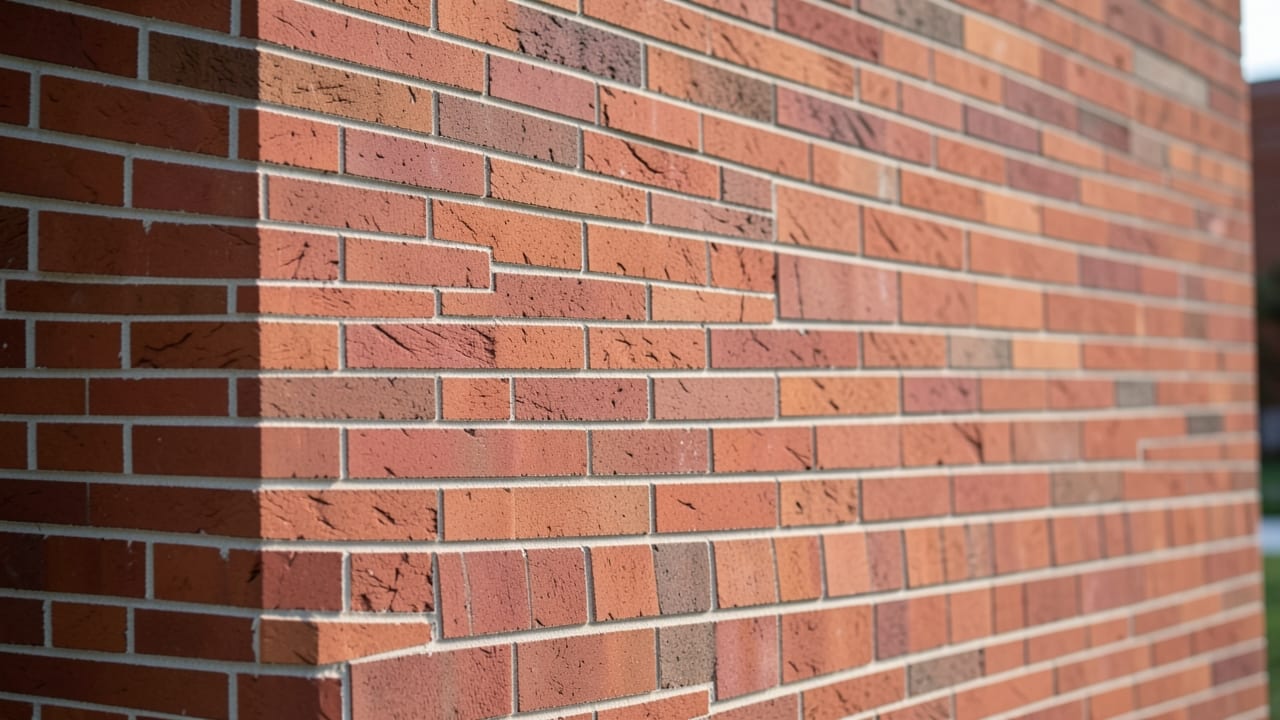
Brick Masonry Mold Treatment in North Redington Beach, FL
Professional mold treatment and removal from brick masonry to restore structural integrity and indoor air quality.
Learn More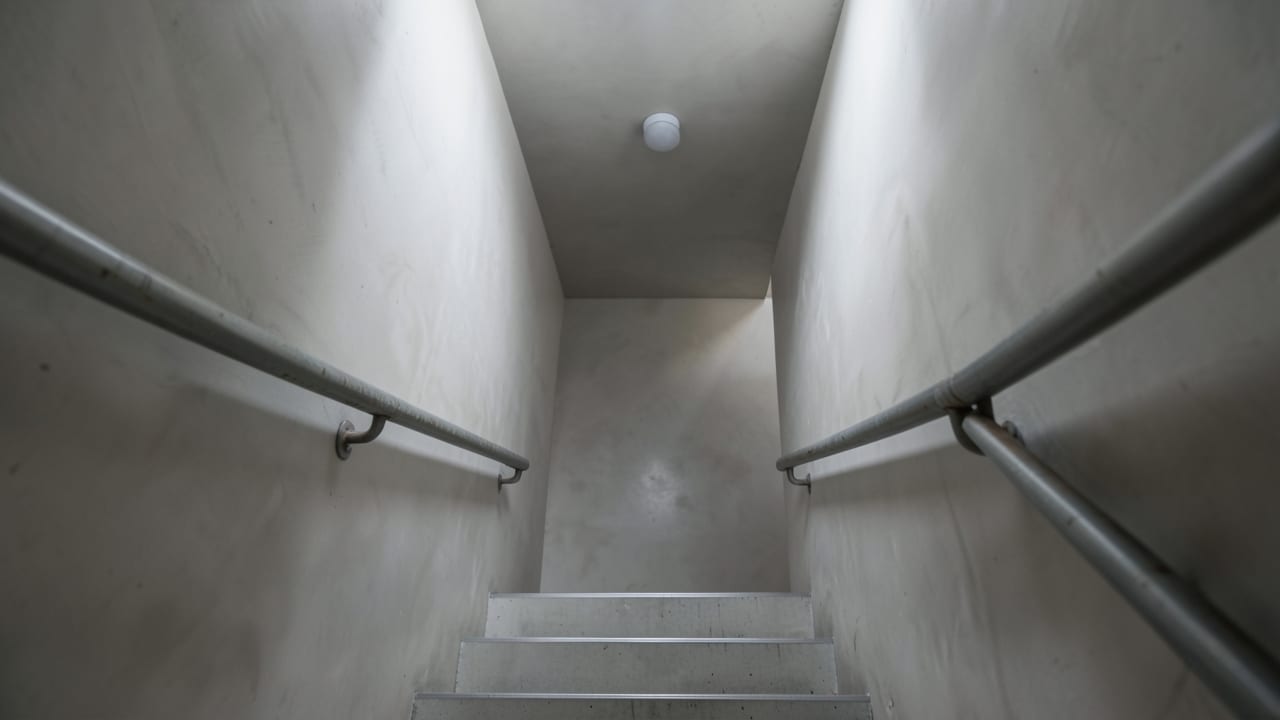
Stairwell Mold Remediation in North Redington Beach, FL
Professional mold removal and prevention in stairwells to restore safe, clean spaces.
Learn More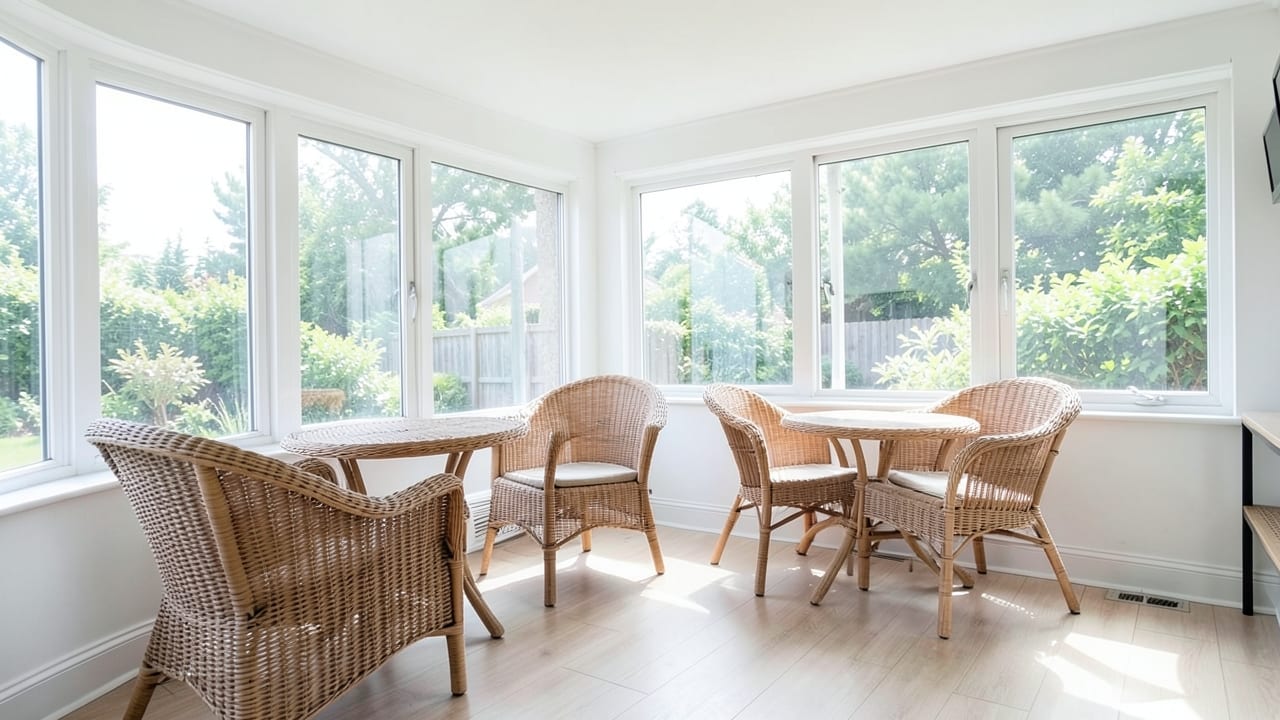
Sunroom Mold Remediation in North Redington Beach, FL
Professional removal and treatment of mold in sunrooms to restore a safe, clean space.
Learn More
Hallway Mold Remediation in North Redington Beach, FL
Professional removal and treatment of mold growth in residential hallways.
Learn More
Condo Mold Remediation in North Redington Beach, FL
Professional removal and treatment of mold in condominiums to restore safe, healthy living spaces.
Learn More
Restaurant Mold Remediation in North Redington Beach, FL
Professional mold removal and remediation for restaurant spaces to ensure safety and compliance.
Learn MoreCommon Questions About Mold Remediation in North Redington Beach
Everything you need to know about mold remediation services in North Redington Beach
How much does Flood Damage Mold Remediation typically cost in North Redington Beach, FL?
Why does North Redington Beach, FL's humidity make mold a bigger risk than in drier regions?
How does mold remediation actually prevent the problem from coming back?
Can mold growing inside HVAC ductwork spread to the rest of a home?
Does mold mean the same thing as mildew?
Does homeowners insurance typically cover mold remediation?
Need Mold Remediation in North Redington Beach?
Connect with local providers in North Redington Beach for a detailed quote.
⏰ We answer your call • Serving all of North Redington Beach and surrounding areas